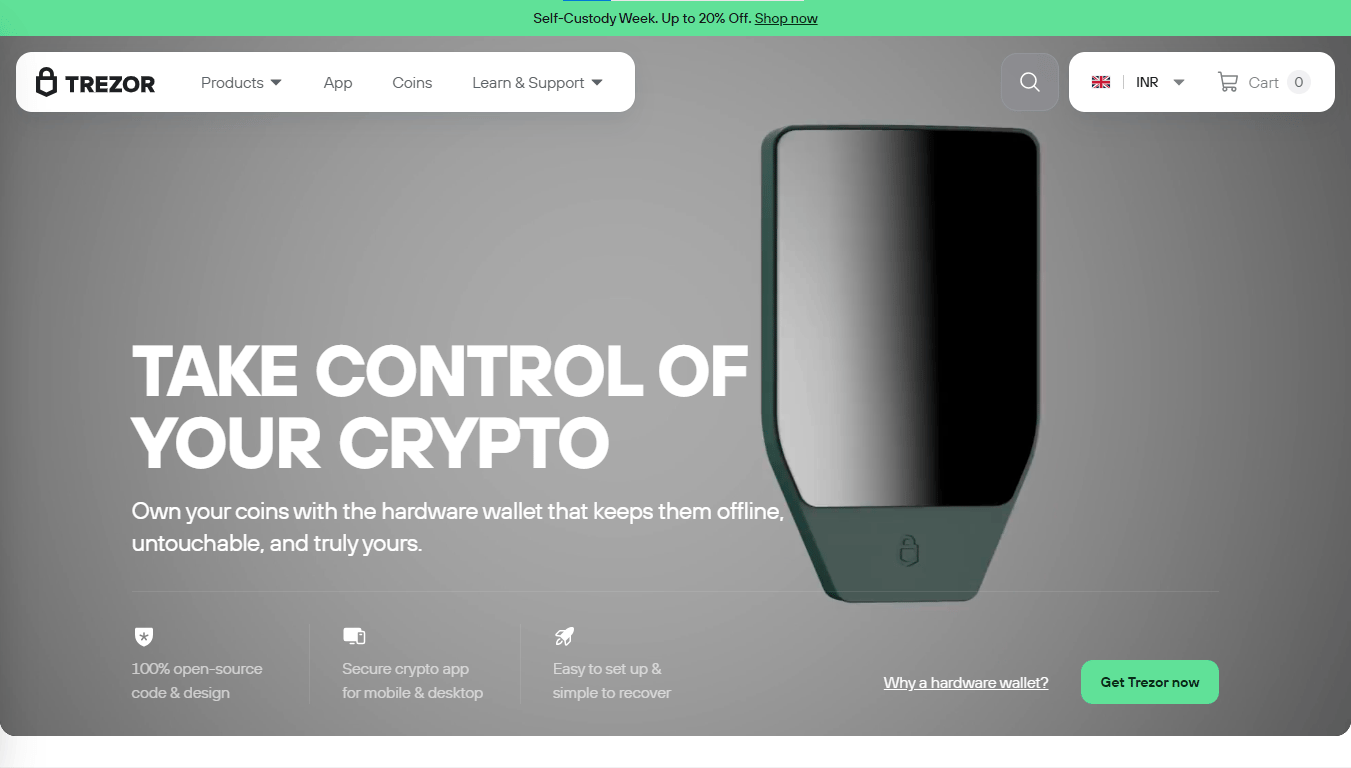
Trezor Half

Understanding the Trezor Hardware Wallet Ecosystem

Trezor.io/Start is an important resource for individuals who want to explore hardware-based cryptocurrency storage. A Trezor hardware wallet helps users maintain control over their digital assets by keeping private keys protected within a dedicated physical device. Unlike ordinary software wallets, hardware wallets are designed to keep sensitive signing operations separate from an internet-connected computer. The setup experience is designed to help beginners understand the essential features of their device before using it for everyday cryptocurrency transactions. By following the instructions available through Trezor.io/Start, users can learn about wallet initialization, device verification, recovery backups, and security settings.

Exploring the Trezor Suite Dashboard

After completing the initial setup, users can explore Trezor Suite to manage their cryptocurrency accounts. The dashboard provides an organized interface where users can review their portfolio, monitor account balances, and access transaction information. Some useful features include:
  • Portfolio Overview: Review supported cryptocurrency holdings in one convenient location.
  • Transaction Management: Send and receive supported digital currencies.
  • Account Organization: Manage multiple cryptocurrency accounts.
  • Transaction History: Review previous wallet activities.
  • Device Management: Access supported device settings and security options.
  • Firmware Updates: Install authentic firmware updates when available.
These features make Trezor Suite a useful companion application for people who prefer managing their cryptocurrency through a hardware wallet.

Why Device Verification Matters

Device verification is an important part of the Trezor setup process. Before using a hardware wallet, users should confirm that their device is genuine and that its firmware is authentic. Purchasing devices through trusted sources and following the official setup instructions can help reduce exposure to counterfeit products and unauthorized modifications. Users should also avoid downloading wallet software from unknown websites or clicking suspicious advertisements.

Managing Cryptocurrency Transactions

Once the wallet is configured, users can explore supported cryptocurrency transaction features. Sending digital assets generally involves selecting an account, entering the recipient’s address, reviewing transaction details, and confirming the operation directly on the hardware wallet. Always double-check the recipient address and transaction amount before approving a transfer. Cryptocurrency transactions are generally irreversible, so careful verification is essential.

Maintaining Long-Term Wallet Security

Protecting a hardware wallet requires consistent security practices. Keep your recovery backup in a secure offline location, use a strong PIN, and never disclose your recovery words to another person. Avoid storing recovery information in screenshots, emails, cloud storage, or unencrypted digital documents. Users should also keep their Trezor Suite application updated and remain cautious of phishing websites pretending to offer wallet support.

Final Thoughts

Trezor.io/Start helps users understand how to initialize their hardware wallet and access the features of Trezor Suite. From device verification to cryptocurrency account management, the setup process provides a foundation for responsible digital asset storage. By following genuine setup instructions and maintaining good security habits, users can make their cryptocurrency management experience more organized and secure.